The Ultimate FAQ Guide of Pipe Elbows
This comprehensive guide aims to answer all your questions about pipe elbows, with a particular emphasis on stainless steel elbows. Here, you will find detailed explanations of different types of pipe elbows and their applications, helping you better understand this crucial component in pipeline systems.
Table of Contents
2. What Is a Stainless Steel Elbow?
3. What Is a Threaded Pipe Elbow?
4. What Is a Stainless Steel Threaded Elbow?
5. How do choosing the right elbows?
1. What Is a Pipe Elbow?
In a pipeline system, a pipe elbow is a fitting that changes the direction of the pipeline. Other common names include 90-Degree Elbows and Right-Angle Elbows. The most common angles are:
45 Degrees
90 Degrees
180 Degrees
Pipe elbows of three kinds of different angles can readily distinguished based on their varying angles and appearance.
Tips: two 45 degree elbows should not be used as a substitute for a 90 degree elbow because they have essential differences.
Besides, other angles can be specially custom-made based on the customer’s engineering requirements.
Pipe elbows can be classified based on various criteria:
– By Material:
– Cast Iron Elbows
– Stainless Steel Elbows
– Alloy Steel Elbows
– Malleable Cast Iron Elbows
– Carbon Steel Elbows
– Non-Ferrous Metal Elbows
– Plastic Elbows
– By Connection Method:
– Direct Welding Elbows (most common)
– Flanged Elbows
– Hot Melt Elbows
– Electro-Fusion Elbows
– Threaded Elbows
– Socket Elbows
– By Production Process:
– Welding Elbows
– Stamping Elbows
– Push Elbows
– Casting Elbows
– Butt Welding Elbows
Pipe elbows in multiple sectors due to their versatility and superior performance. These elbow pipe fittings play a crucial role in the water, gas, oil, and other fields, connecting pipes at various angles.
2. What Is a Stainless Steel Elbow?
Stainless steel has the best hardness and toughness index of all steels. Because stainless steel has excellent corrosion resistance, you don’t need to use a protective coating like carbon steel pipe when using stainless steel elbows because they have a chemical composition that offers improved resistance to rust and corrosion, ensuring a longer service life. Also, since the super hardness of stainless steel elbows faces external impact, they do not easily leak water and are broken.
Stainless steel elbows can also be categorized based on manufacturing standards and production methods:
By Manufacturing Standard:
– Ship Standard Elbows
– Electric Standard Elbows
– Water Standard Elbows
– American Standard Elbows
– German Standard Elbows
– Japanese Standard Elbows
– Russian Standard Elbows
By Production Method:
– Pushing Elbows
– Pressing Elbows
– Forging Elbows
– Casting Elbows
3. What Is a Threaded Pipe Elbow?
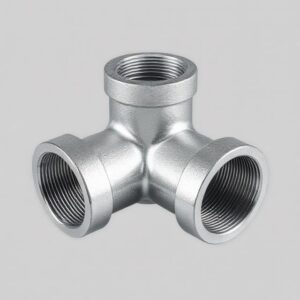
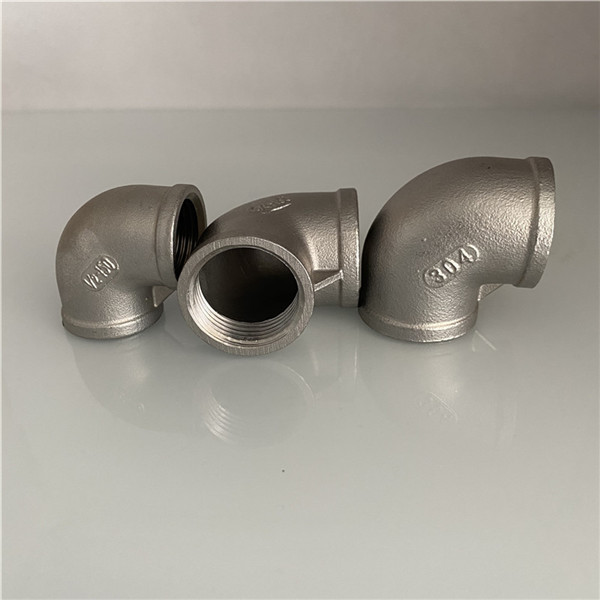
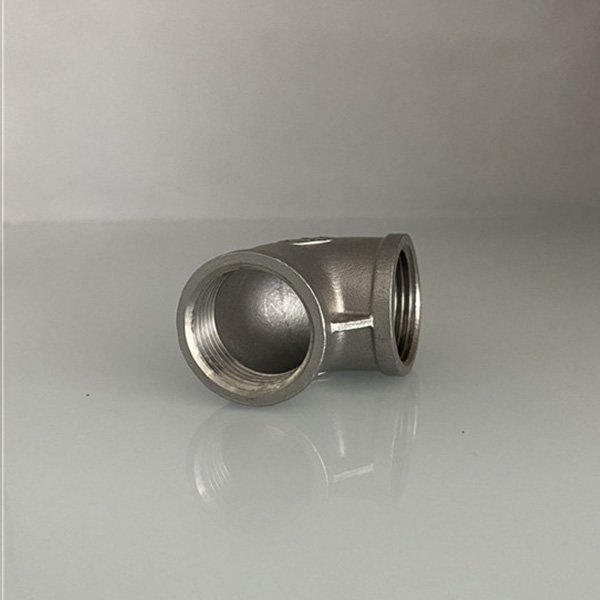
A threaded pipe elbow (or threaded elbow or threaded pipe bend) is a type of pipe fitting character by female threads on the two ends. During practical use, a threaded elbow connects two male pipes and changes the direction and angle of the piping system.
Similar to standard elbows, they are available in various angles, usually 45 and 90 degrees, and can be offered elbow at 60 degrees, etc. We can supply sizes ranging from 1/8 inch to 4 inches at present.
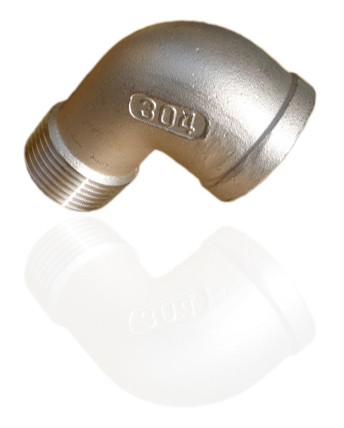
Characteristics of Threaded Elbows:
– Composed of a screw port and a bent section
– Features a threaded groove on the screw port
– Pressure ratings typically range from 2000LB, 3000LB, to 6000LB
Manufacturing Standards:
Threaded elbows are manufactured typically in compliance with industry standards like ASME B16.11 and BS 3799.
4. What Is a Stainless Steel Threaded Elbow?
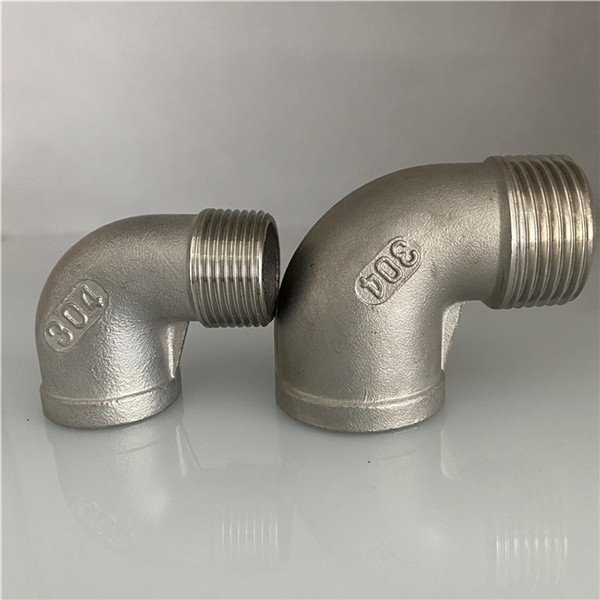
Stainless steel threaded elbows using premium stainless steel grades like 304, 304L, 316, and 316L. They come with internal or external threaded ports, enhancing compatibility with various pipeline systems.
Common Types of Stainless Steel Threaded Elbows:
– 45-Degree Elbows
– 90-Degree Elbows
– Female Elbows
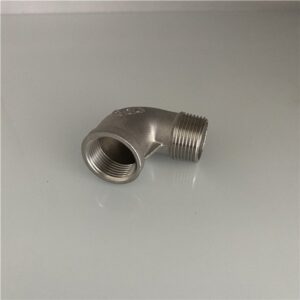
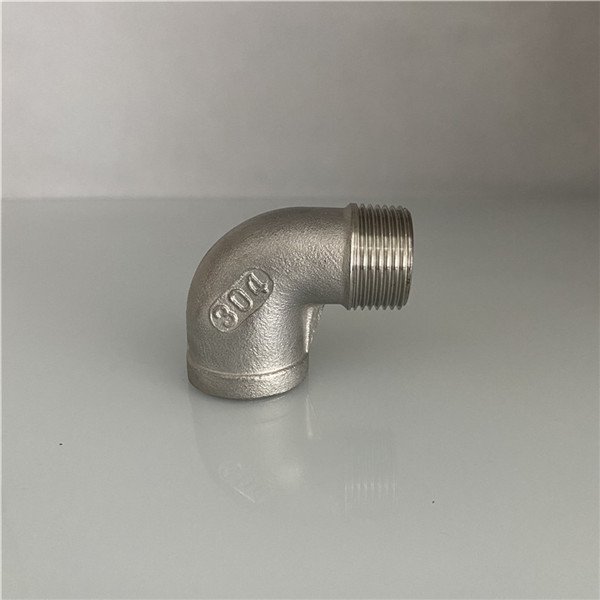
– Male-Female Elbows (Street Elbows)
5. How do choosing the right elbows?
When selecting pipe elbows, the material and size that suit your practical needs are keys. The standard and threaded types are also crucial factors to take into account when making a purchase.
It is essential to ensure that the chosen pipe elbows can offer reliable performance to meet your requirements.
Welcome to tell us your purpose, and we will recommend which pipe elbows are the best for you.
Additionally, conducting thorough research on different brands and manufacturers can help you make an informed decision.
All contents end here, but we will continue to update and bring more valuable information. If you have any additional questions or topics you would like to explore further, feel free to ask!
Showing all 6 results
-
-
- Pipe Elbow
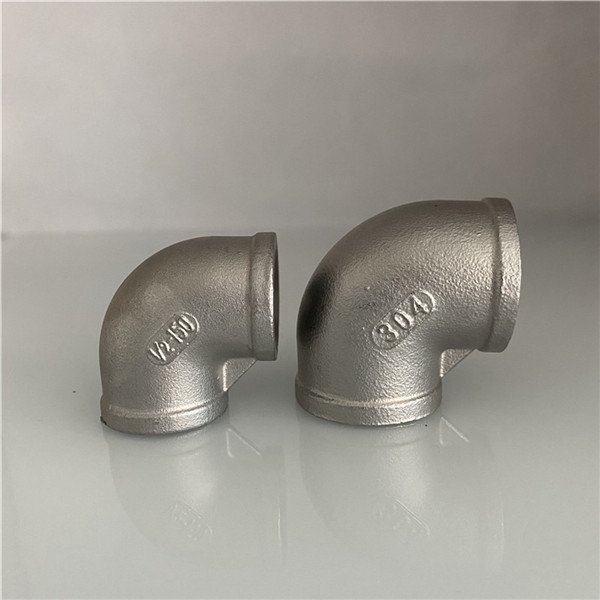
4 Inch Stainless Steel 90 Degree Elbow
China Threaded Stainless Steel Pipe Fittings Suppliers Exports 4 Inch Stainless Steel 90 Degree Elbow Female Elbow For Connecting Two… -
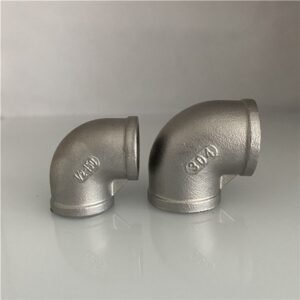
- Pipe Elbow
4 Inch Stainless Steel 90 Degree Elbow
-
-
-
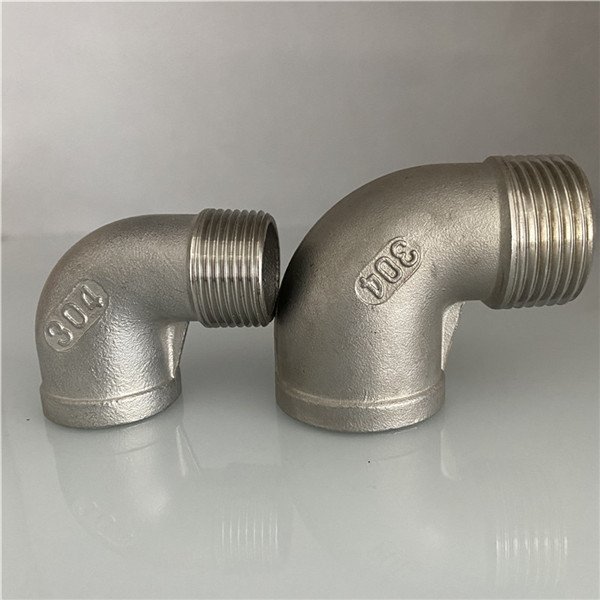
- Pipe Elbow
Plumbing 90 Degree Street Elbow
China Stainless Steel Elbow Supplier Male Female Elbow 90 Degree Street Elbow Equal Diameter Elbows Are Used To Connect Pipes… -
- Pipe Elbow
Plumbing 90 Degree Street Elbow
-
-
-
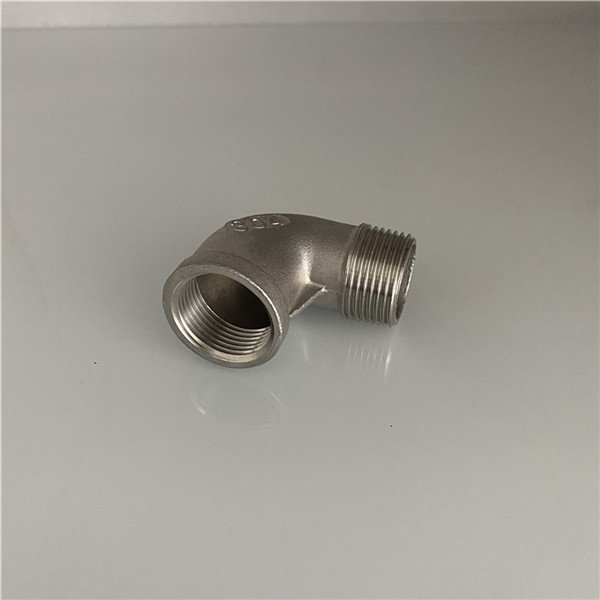
- Pipe Elbow
Stainless Steel 90 Degree Street Elbow
China Threaded Stainless Steel Pipe Fittings Suppliers Custom 304 Stainless Steel 90 Degree Street Elbow Male Female Elbow For Changing… -
- Pipe Elbow
Stainless Steel 90 Degree Street Elbow
-
-
-
- Pipe Elbow
Stainless Steel Elbow Threaded Pipe Elbow
China Stainless Steel Elbow Supplier Threaded Pipe Elbow Female Elbow Designed For Commercial Or Industrial Plumbing Or Pipe Fitting Applications -
- Pipe Elbow
Stainless Steel Elbow Threaded Pipe Elbow
-
-
-
- Pipe Elbow
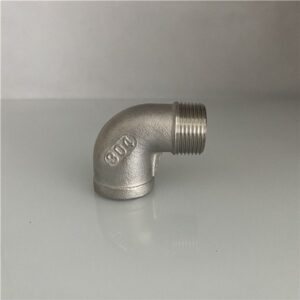
Stainless Steel Threaded Pipe Elbow Male Female Elbow
China Threaded Stainless Steel Pipe Fittings Suppliers Casting 304 Stainless Steel Threaded Pipe Elbow Male Female Elbow Street Elbow Used… -
- Pipe Elbow
Stainless Steel Threaded Pipe Elbow Male Female Elbow
-
-
-
- Pipe Elbow
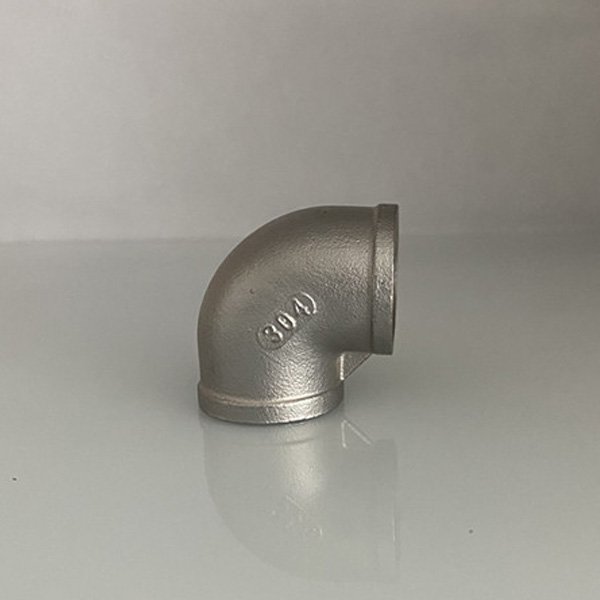
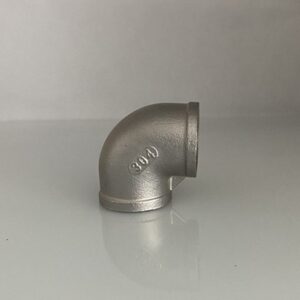
Stainless Steel Threaded Pipe Fittings 304 Elbow
China Threaded Stainless Steel Pipe Fittings Suppliers Casting 304 Stainless Steel 90 Degree Elbow Thread Elbow Used Where The Pipe… -
- Pipe Elbow
Stainless Steel Threaded Pipe Fittings 304 Elbow
-