What Is Carbon Steel Pipe?
Carbon steel pipe is made primarily from iron and carbon, offering high tensile strength, toughness, and good weldability. By adjusting carbon content and production methods, carbon steel pipes can be tailored for:
-
High-pressure fluid transport
-
Mechanical and structural support
-
Oil & gas pipelines
-
Industrial processing lines
Carbon steel remains a preferred material for pipelines due to its balance of performance, durability, and affordability.
Types of Carbon Steel Pipe
1. Seamless Carbon Steel Pipe
Seamless pipes are manufactured without weld seams.
Features:
-
Uniform structure
-
Excellent pressure and temperature resistance
-
Ideal for demanding applications
Common Standards:
ASTM A106, ASTM A53, API 5L, EN10216
2. Welded Carbon Steel Pipe
Welded pipes are produced by forming steel sheets or coils and welding the seam. They offer a cost-effective solution for general applications.
ERW (Electric Resistance Welded) Pipe
- Smooth internal surface
- Precise dimensions
- Widely used in water, gas, and structural systems
Standards: ASTM A53, ASTM A500
LSAW (Longitudinal Submerged Arc Welded) Pipe
- Straight seam
- High strength
- Used for long-distance pipelines, structural columns, and piling
Standards: API 5L, EN10219
SSAW / Spiral Welded Pipe
- Spiral-welded seam
- Economical for large diameters
- Used in water pipelines, piling, and low-pressure systems
3. Galvanized Carbon Steel Pipe
Carbon steel pipe coated with a layer of zinc for corrosion resistance.
Ideal for outdoor use, construction, and fire protection systems.
Carbon Steel Pipe Grades
Different grades offer varying mechanical properties and chemical compositions.
Common Grades Include:
- ASTM A106 (High-temperature service)
- ASTM A53 (General-purpose)
- API 5L Gr. B
End Types & Connection Options
Depending on installation requirements, carbon steel pipes are available with:
- Plain End (PE)
- Beveled End (BE)
- Threaded End (TE)
- Grooved End
These end types ensure compatibility with welding, threading, groove joints, and mechanical fittings.
Applications of Carbon Steel Pipe
Carbon steel pipes are essential in many industries due to their strength and versatility:
- Oil & gas transmission
- Water and wastewater transport
- Mechanical & structural support
- Fire protection systems
- HVAC and compressed air lines
- Construction and infrastructure
- Piling and foundation support
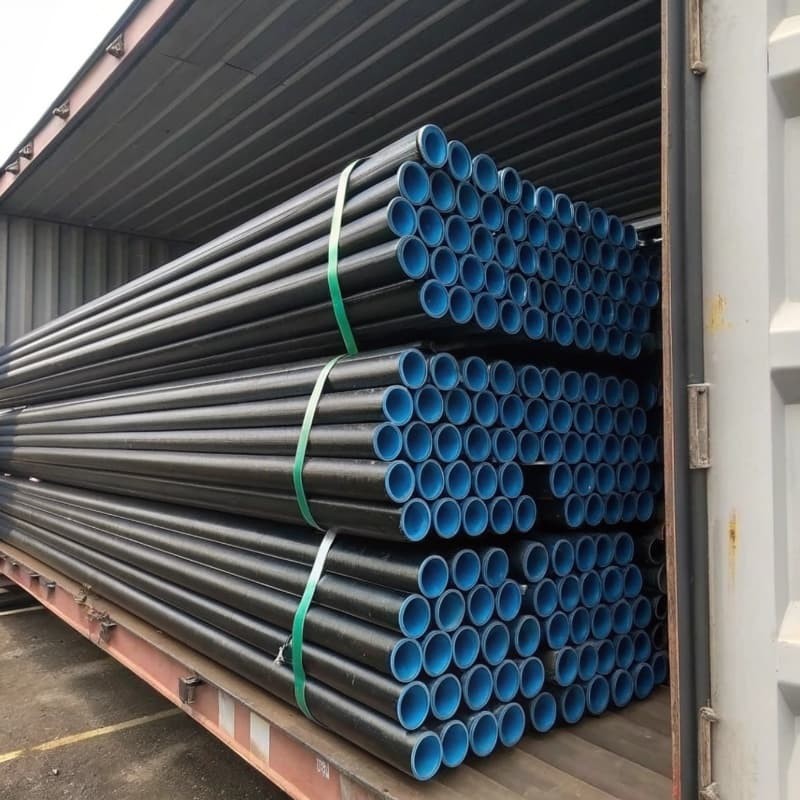
Why Choose Carbon Steel Pipe?
- High strength and toughness
- Long service life
- Excellent weldability
- Wide size and grade availability
- Cost-effective for large-scale pipelines
Carbon steel pipe provides a dependable, economical solution for medium to high-pressure systems, structural frameworks, and critical industrial applications.
Showing all 5 results
-
-
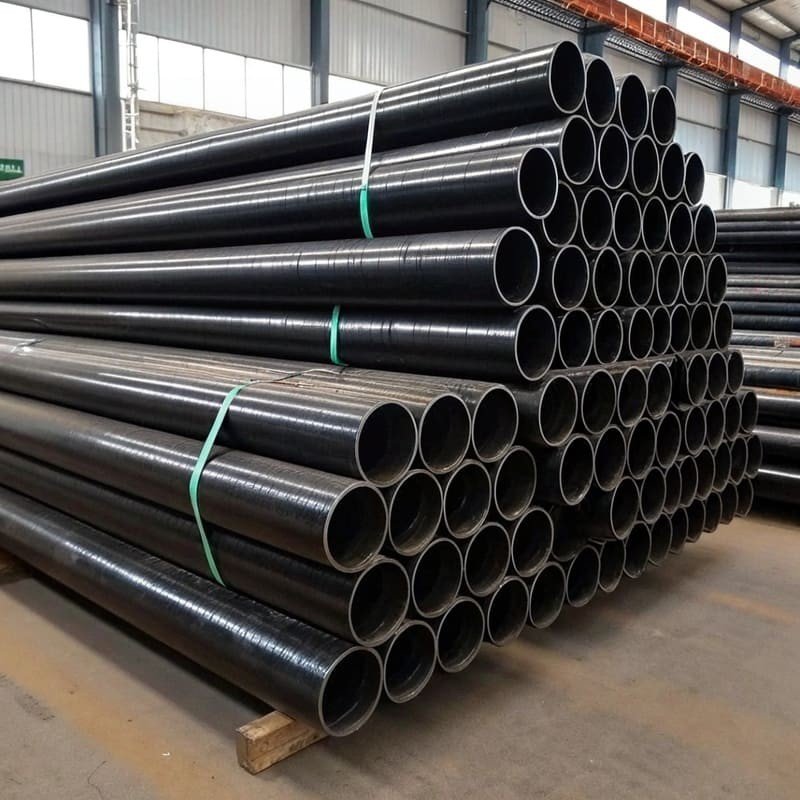
- Carbon Steel Pipe
ASTM A53 Black Carbon Steel Welded Pipe
The ASTM Black Steel Sprinkler Pipe is a reliable and widely used piping solution designed for modern fire sprinkler systems.… -
- Carbon Steel Pipe
ASTM A53 Black Carbon Steel Welded Pipe
-
-
-
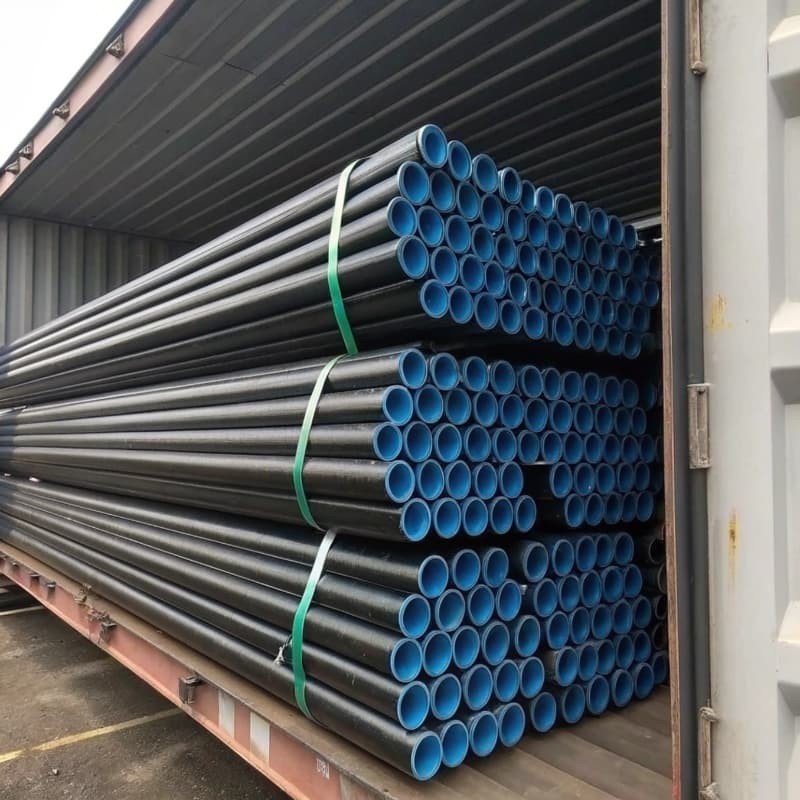
- Carbon Steel Pipe
- Seamless Pipe
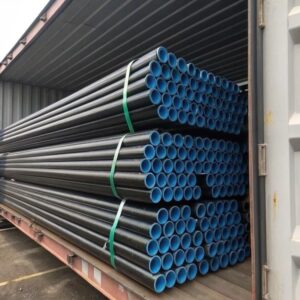
Black Carbon Steel ASTM A106 Seamless Pipe
We manufacture and supply ASTM A106 seamless carbon steel pipes, designed for high-temperature and high-pressure fluid transport. Our pipes meet… -
- Carbon Steel Pipe
Black Carbon Steel ASTM A106 Seamless Pipe
-
-
-
- Carbon Steel Pipe
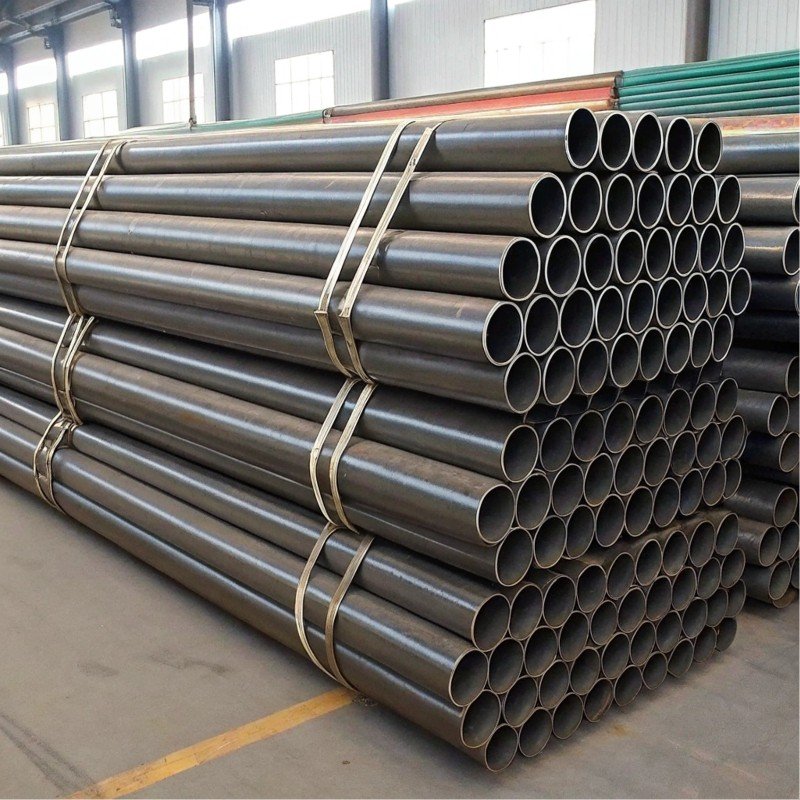
Carbon Steel Schedule 40 Pipe
A Schedule 40 carbon steel pipe is a lightweight, cost-effective option for transporting liquids, gases, and steam. It comes in… -
- Carbon Steel Pipe
Carbon Steel Schedule 40 Pipe
-
-
-
- Carbon Steel Pipe
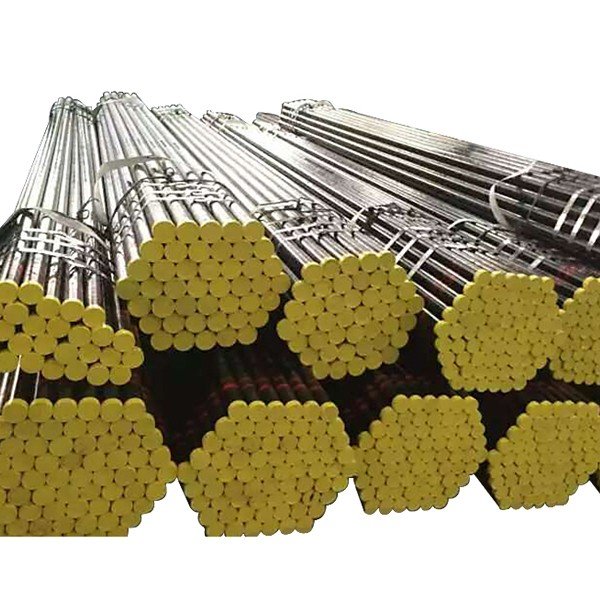
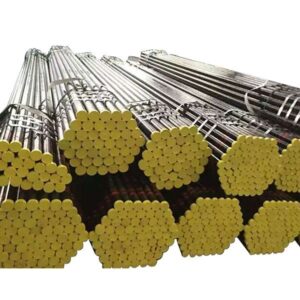
Carbon Steel Seamless Pipe Black Steel Pipe
China Carbon Steel Pipe Suppliers Carbon Steel Black Hot Rolled Seamless Pipe Round Steel Pipe As Per ASTM A106 Used… -
- Carbon Steel Pipe
Carbon Steel Seamless Pipe Black Steel Pipe
-
-
-
- Carbon Steel Pipe
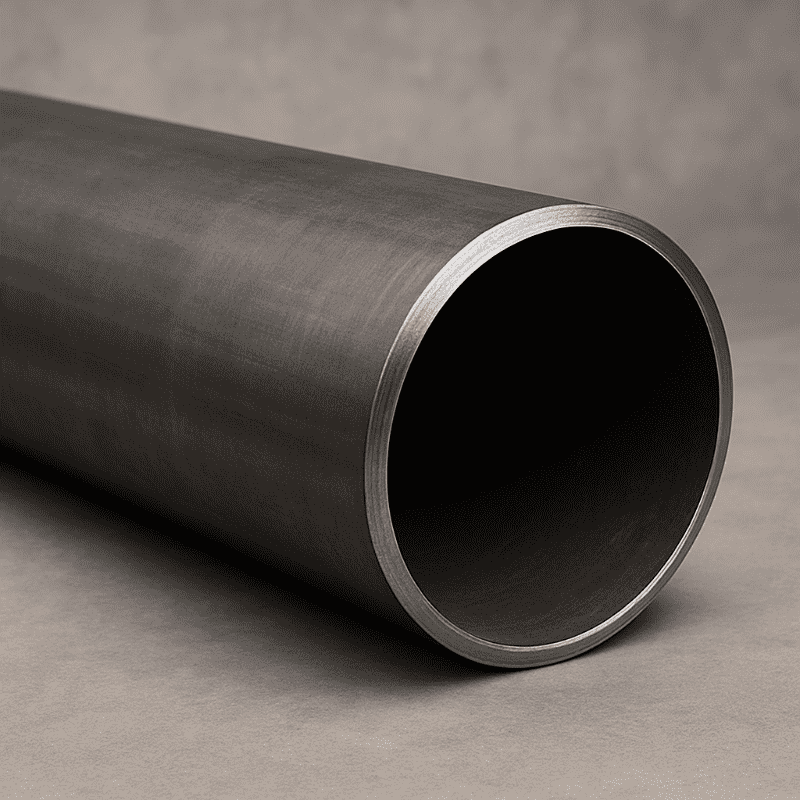
China Carbon Steel ASTM A53 ERW Welded Pipe Supplier
Our ERW pipes are manufactured through high-frequency electric resistance welding and precise forming, ensuring uniform weld seams, accurate dimensions, and… -
- Carbon Steel Pipe
China Carbon Steel ASTM A53 ERW Welded Pipe Supplier
-