When purchasing carbon steel pipes for industrial projects, ASTM A53 vs A106 are two of the most commonly used standards.
Although these two standards are often compared because they are both used for carbon steel piping systems, they are designed for different applications.
Many buyers mistakenly select pipes only based on size and price, while overlooking factors such as:
- Temperature requirements
- Pressure conditions
- Manufacturing process
- Application environment
Choosing the wrong specification may result in unsuitable performance or unnecessary project costs.
As a manufacturer supplying steel pipes and pipe fittings for international markets, SANVO works with customers who require different ASTM pipe standards depending on project requirements.
This article explains the differences between ASTM A53 and ASTM A106 and helps buyers understand which pipe is more suitable for their applications.
What Is ASTM A53 Pipe?
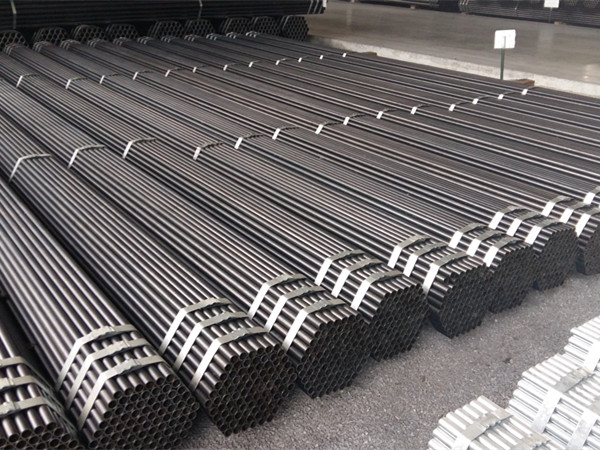
ASTM A53 is a standard specification for carbon steel pipe used mainly in mechanical and pressure applications.
It covers:
- Welded pipe
- Seamless pipe
- Black steel pipe
- Galvanized steel pipe
ASTM A53 steel pipe is widely used in:
- Water pipelines
- Plumbing systems
- Fire sprinkler systems
- Mechanical applications
- Structural applications
Because of its versatility and relatively economical cost, ASTM A53 is one of the most commonly used carbon steel pipe standards.
What Is ASTM A106 Pipe?
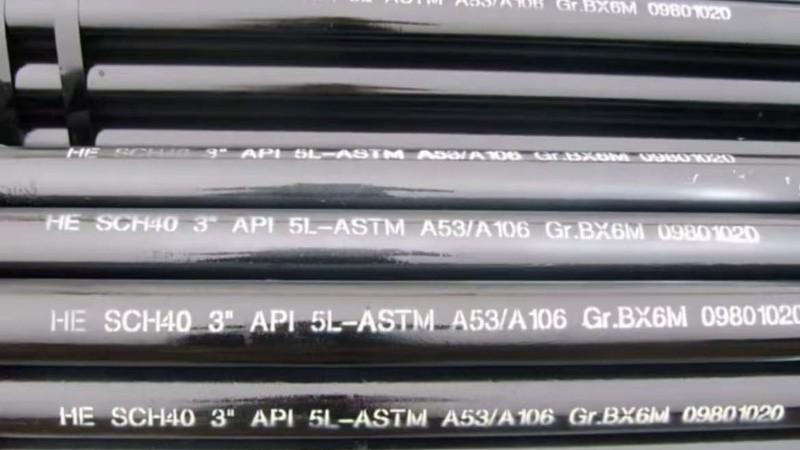
ASTM A106 is a specification for seamless steel pipe designed for high-temperature service.
It is commonly used in industries requiring:
- High pressure resistance
- Elevated temperature performance
- Continuous operation
Typical applications include:
- Oil and gas facilities
- Power plants
- Refineries
- Industrial processing systems
ASTM A106 seamless carbon steel pipe, whose construction provides better performance under demanding temperature and pressure conditions.
ASTM A53 vs A106: Main Differences
| Feature | ASTM A53 | ASTM A106 |
|---|---|---|
| Main Purpose | General pressure and mechanical applications | High-temperature service |
| Manufacturing | Welded and seamless | Mainly seamless |
| Application Level | General industrial use | Heavy-duty industrial systems |
| Temperature Resistance | Standard | Higher |
| Cost | More economical | Higher |
| Common Industries | Construction, water, fire protection | Oil, gas, power generation |
Manufacturing Process Difference
One of the biggest differences between ASTM A53 and A106 is manufacturing.
ASTM A53
Can be produced through:
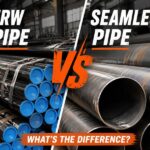
- ERW welding
- Seamless process
ERW (Electric Resistance Welding) pipe is commonly used when cost efficiency is important.
ASTM A106
Normally produced as:
- Seamless pipe
The seamless process eliminates the welded seam, making it suitable for higher temperature and pressure applications.
Chemical Composition And Mechanical Requirements
Both standards control:
- Carbon content
- Tensile strength
- Yield strength
However, ASTM A106 generally has stricter requirements because it is designed for more demanding environments.
When selecting between the two standards, buyers should consider not only chemical composition but also:
- Working temperature
- Pressure rating
- Service conditions
ASTM A53 vs A106: Which One Should You Choose?
Choose ASTM A53 when your project requires:
- Water transportation
- Fire sprinkler systems
- General mechanical piping
- Cost-effective solutions
Choose ASTM A106 when your project requires:
- High-temperature operation
- High-pressure service
- Industrial processing
- Energy applications
The correct choice depends on the actual working environment rather than simply choosing the higher-grade material.
Relationship Between Pipe Standards And Pipe Fittings
When designing a piping system, pipes and fittings should be compatible.
For example:
A carbon steel pipe system may require:
- ASTM pipe specification
- Matching threaded fittings
- Suitable pressure rating
- Compatible connection method
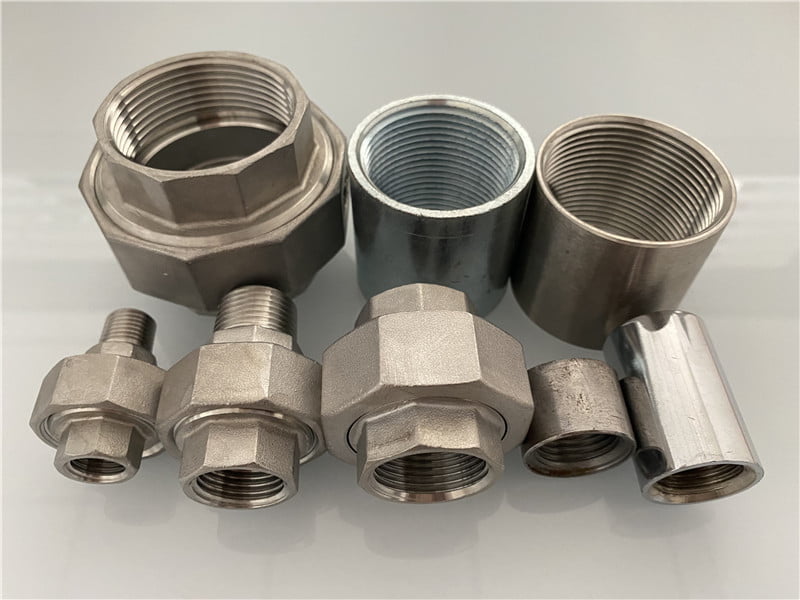
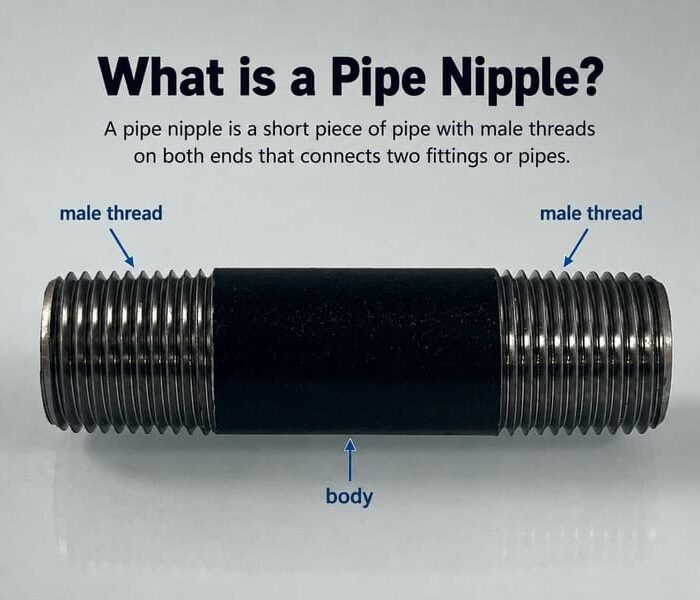
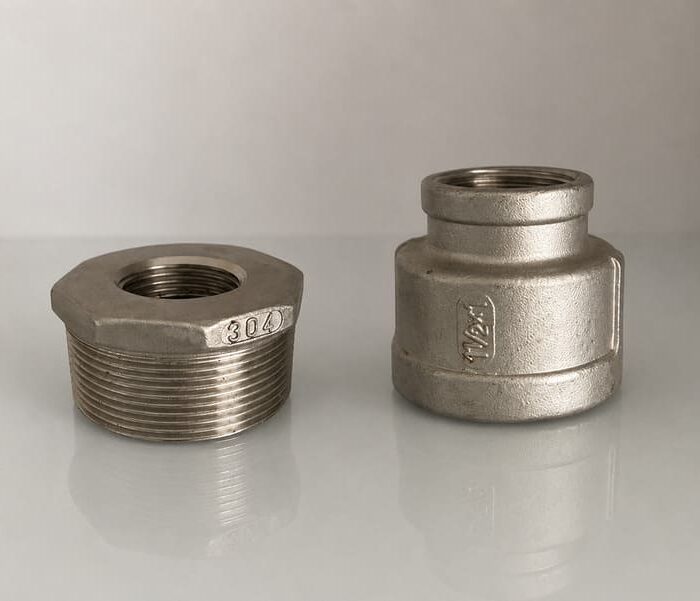
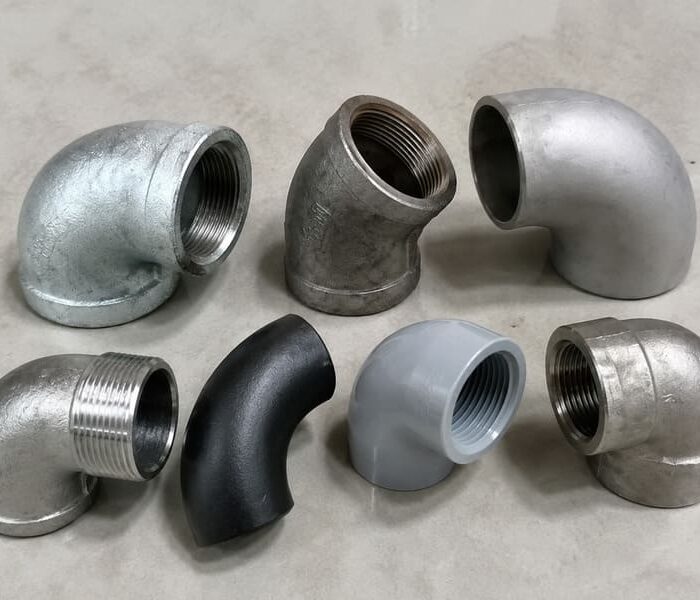
Pipe nipples, couplings, elbows, and other fittings should meet the project requirements to ensure system reliability.
How Manufacturers Ensure Quality
Professional manufacturers control quality through:
- Raw material inspection
- Chemical composition testing
- Mechanical testing
- Dimensional inspection
- Surface inspection
For export projects, documentation such as:
- Mill Test Certificates
- Inspection reports
may also be required.
Conclusion
ASTM A53 and ASTM A106 are both important carbon steel pipe standards, but they serve different purposes.
ASTM A53 is commonly used for general mechanical, water, and fire protection applications, while ASTM A106 is designed for higher temperature and more demanding industrial environments.
Understanding these differences helps buyers select the correct pipe specification, reduce purchasing risks, and ensure reliable piping system performance.