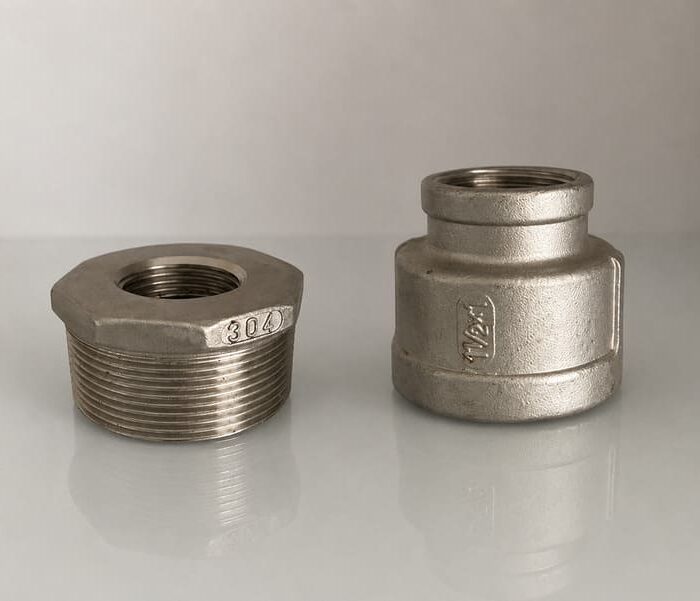
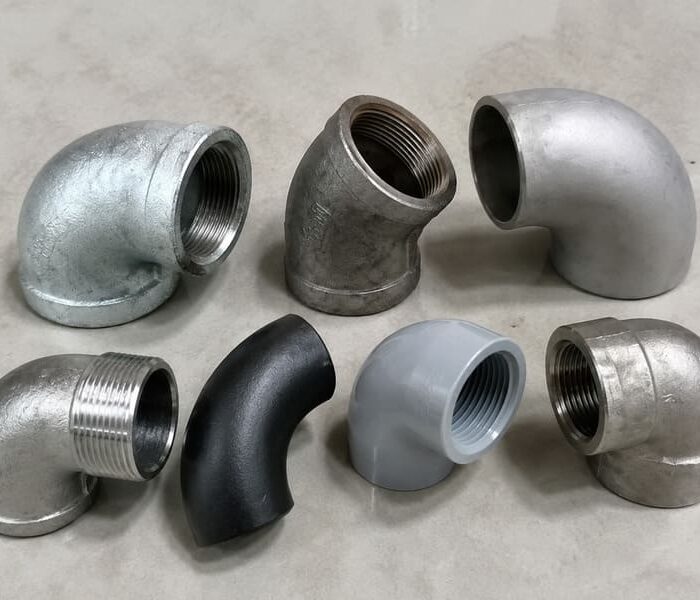
Galvanized pipe fittings are widely used in water supply, fire protection, construction, and industrial piping because the zinc coating helps protect steel from corrosion.
However, not all galvanized fittings are manufactured in the same way.
The two most common galvanizing methods are hot-dip galvanizing and electro-galvanizing.
While both create a protective zinc layer, they differ in coating thickness, durability, appearance, and cost.
As a manufacturer of threaded pipe nipples and pipe couplings, we are frequently asked which galvanizing process is better for specific applications.
The answer depends on the operating environment and the expected service life of the piping system.
This guide explains the differences between these two processes and helps buyers choose the most suitable option.
What Is Hot-Dip Galvanizing?
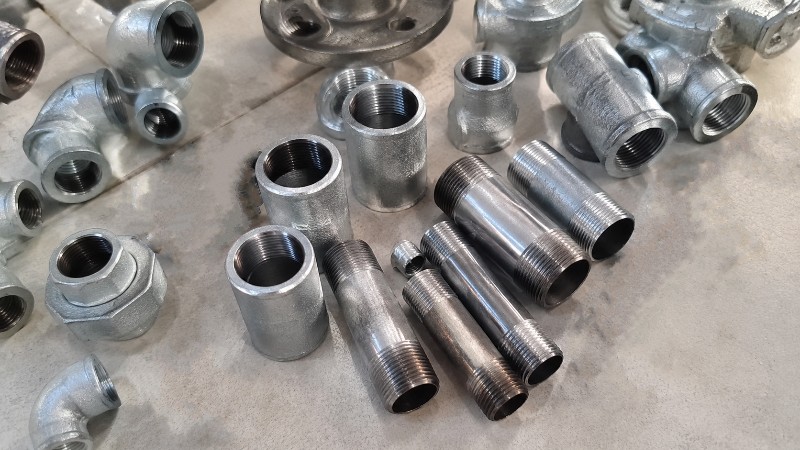
Hot-dip galvanizing is a process in which cleaned steel fittings are immersed in molten zinc at approximately 450°C (842°F). The molten zinc reacts with the steel surface, forming several zinc-iron alloy layers and an outer zinc coating.
Because the coating becomes metallurgically bonded to the steel, it offers excellent protection against corrosion and mechanical damage.
Hot-dip galvanized pipe fittings are commonly used in:
- Outdoor pipelines
- Fire sprinkler systems
- Water supply projects
- Agricultural irrigation
- Industrial facilities
- Coastal environments
One of the biggest advantages of hot-dip galvanizing is its long service life, especially in harsh environments where moisture and chemicals accelerate corrosion.
What Is Electro-Galvanizing?
Electro-galvanizing, also known as electrolytic galvanizing, uses an electric current to deposit a thin layer of zinc onto the steel surface.
Unlike hot-dip galvanizing, the zinc layer is much thinner and does not form the same alloy structure with the base metal.
Electro-galvanized fittings usually have:
- A smoother surface finish
- A brighter appearance
- Better dimensional consistency for decorative applications
However, because the zinc coating is thinner, corrosion resistance is generally lower than that of hot-dip galvanized products.
Electro-galvanized fittings are often selected for indoor environments where exposure to moisture is limited.
Hot-Dip vs Electro-Galvanized: Key Differences
| Feature | Hot-Dip Galvanized | Electro-Galvanized |
|---|---|---|
| Coating Process | Molten zinc immersion | Electroplating |
| Zinc Coating | Thick | Thin |
| Corrosion Resistance | Excellent | Moderate |
| Surface Finish | Slightly rough | Smooth and bright |
| Outdoor Use | Recommended | Limited |
| Indoor Use | Suitable | Suitable |
| Service Life | Longer | Shorter |
| Cost | Higher | Lower |
Although electro-galvanized fittings may have a cleaner appearance, hot-dip galvanized fittings are generally preferred for demanding industrial applications because they provide stronger long-term protection.
Which One Should You Choose?
The choice depends on your project requirements.
Choose hot-dip galvanized fittings if you need:
- Long-term corrosion resistance
- Outdoor installation
- Fire protection systems
- Industrial or municipal projects
- Coastal or humid environments
Choose electro-galvanized fittings if you need:
- Lower initial cost
- Indoor installation
- Decorative appearance
- Light-duty applications
For most industrial buyers, durability and maintenance costs are more important than the initial purchase price. In these situations, hot-dip galvanized pipe fittings often provide better long-term value.
Our Manufacturing Experience
At SANVO, galvanized pipe nipples and pipe couplings are produced according to customer specifications, including material grade, thread standard, and surface treatment.
Before galvanizing, each fitting undergoes machining and thread inspection to ensure dimensional accuracy. After coating, the fittings are visually inspected to verify coating quality and thread integrity before packaging.
This controlled manufacturing process helps ensure consistent product performance across different export markets.
Conclusion
Both hot-dip galvanized and electro-galvanized pipe fittings offer corrosion protection, but they are designed for different operating environments.
If your project requires maximum durability and long-term performance, hot-dip galvanizing is generally the preferred choice. For indoor or light-duty applications where appearance and cost are more important, electro-galvanized fittings may be sufficient.
Understanding the differences between these two galvanizing methods helps buyers select the most appropriate fittings and reduce maintenance costs over the life of the piping system.
FAQ
Is hot-dip galvanizing better than electro-galvanizing?
For most outdoor and industrial applications, yes. Hot-dip galvanizing provides a thicker zinc coating and significantly better corrosion resistance.
Can electro-galvanized fittings be used outdoors?
They can be used in mild outdoor conditions, but their thinner zinc coating generally results in a shorter service life than hot-dip galvanized fittings.
Which galvanized fittings are commonly used in fire sprinkler systems?
Hot-dip galvanized threaded pipe nipples and couplings are commonly specified because of their durability and corrosion resistance.
Do galvanized fittings require additional painting?
In most cases, no. The zinc coating itself provides effective corrosion protection without the need for additional surface treatment.