
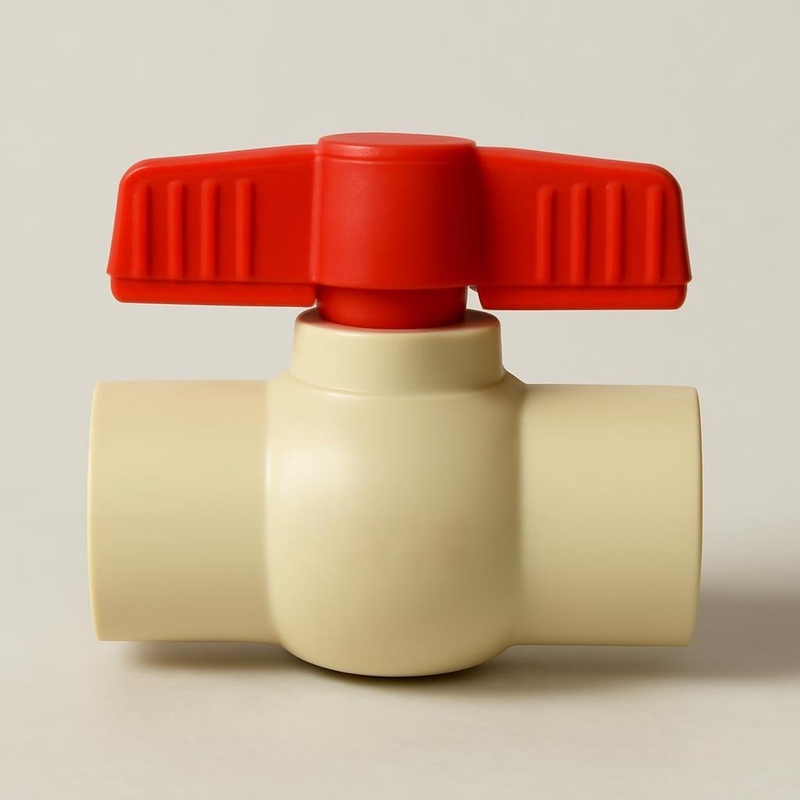
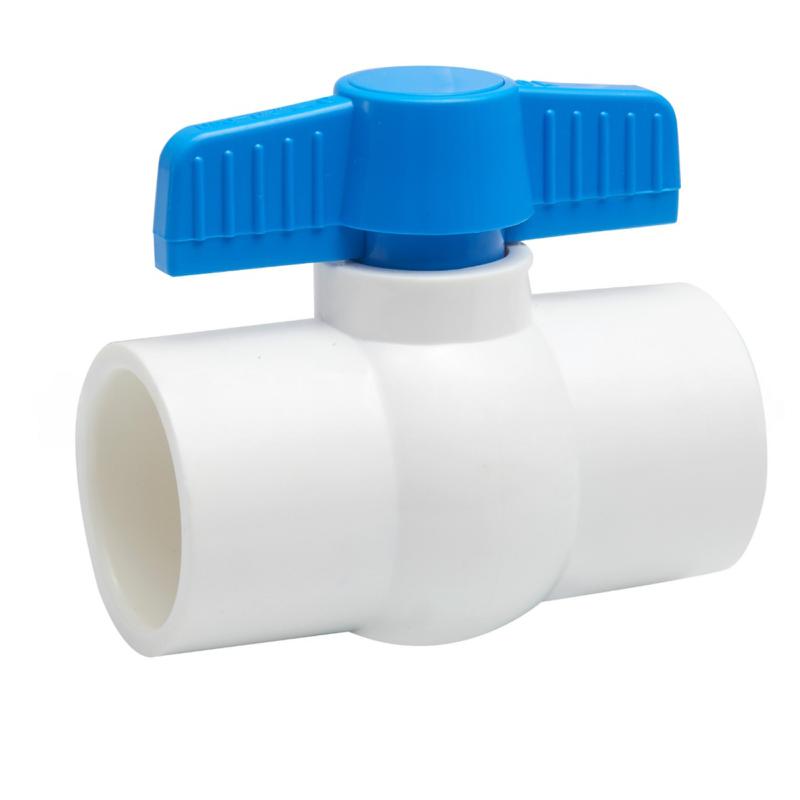
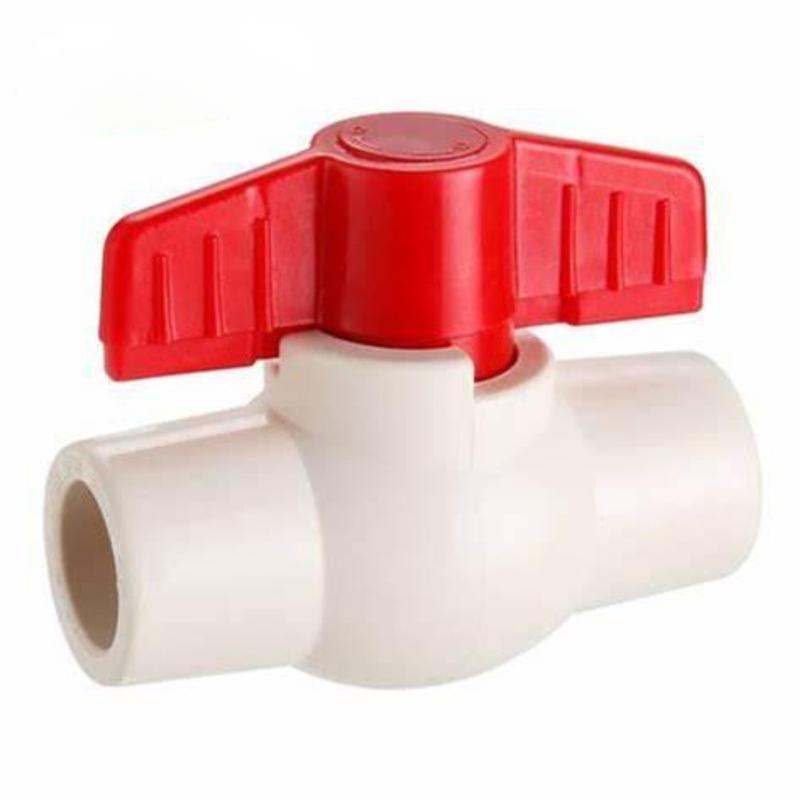
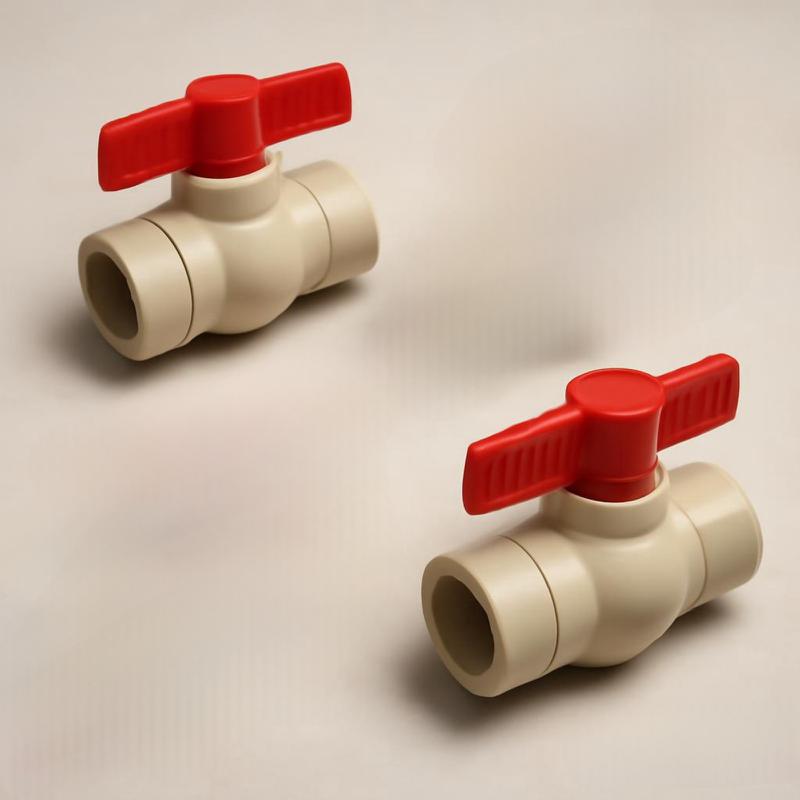
Description
| Size | 1/2 inch to 2 inch (13mm-50mm) |
|---|---|
| Material | CPVC(Chlorinated Polyvinyl Chloride) |
| Connection | CPVC cement |
| Application | They are used for natural gas, oil, water, fire fighting, landmines, and other piping system connections. |
| Origin | China |
| Flexible or Rigid | Rigid |
| Trademark | SANVO |
| Package | Cartons and Pallet / Cartons and Plywood Cases |
What Is a CPVC Valve?
A CPVC valve is a flow control device made from chlorinated PVC, designed to withstand higher temperatures (up to 200°F/93°C) and pressures than standard PVC. These valves are widely used in hot/cold water distribution, chemical processing, and fire sprinkler systems.
Key Benefits of CPVC Valves
-
Heat and Corrosion Resistance
Ideal for hot water systems and corrosive environments.
Resists scaling and mineral buildup.
-
Lightweight, Easy to Install
Easier to handle than metal valves.
Compatible with solvent welding for leak-proof joints.
-
Cost-Effective
More affordable than metal alternatives (e.g., brass or stainless steel).
Low maintenance and long service life.
-
Chemical Stability
Safe for potable water and resistant to acids, bases, and salts.
Common Applications
Residential Plumbing: Hot/cold water shutoff, irrigation systems.
Industrial Use: Chemical processing, wastewater treatment.
Fire Protection: Sprinkler systems due to flame-retardant properties.
How to Choose the Right CPVC Valve
-
Valve Type
-
Ball valves: Best for quick shutoff (low torque, high durability).
-
Gate/Globe valves: Precise flow control but slower operation.
-
Check valves: Prevent backflow in pipelines.
-
Size & Pressure Rating
Match the valve size (e.g., ½”, 1”) to your pipe diameter.
Verify pressure ratings (e.g., 150 PSI for residential use).
-
Certifications
Look for NSF/ANSI 61 (safe for drinking water) or ASTM standards.
-
Brand Reputation
Choose trusted manufacturers (e.g., Nibco, Spears, Lasco).