
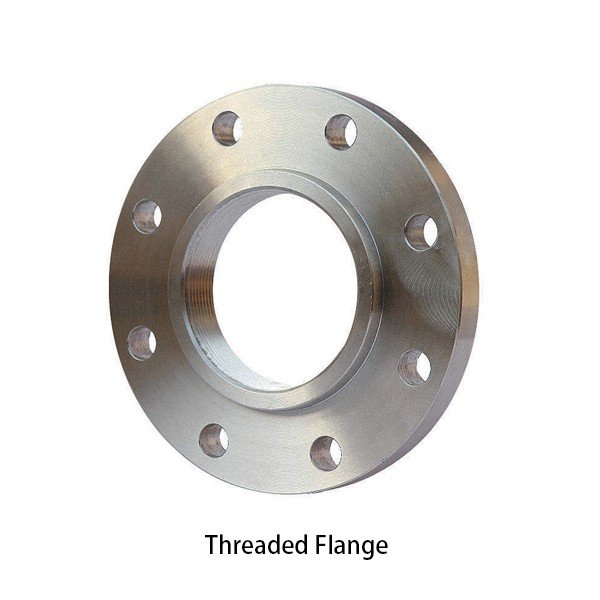
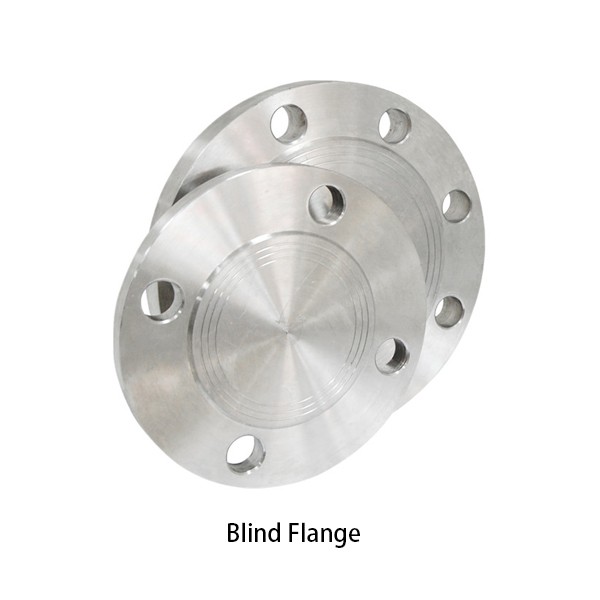
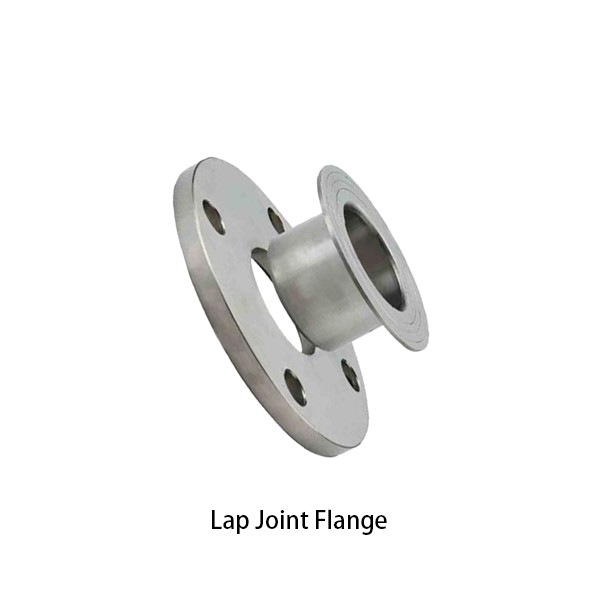
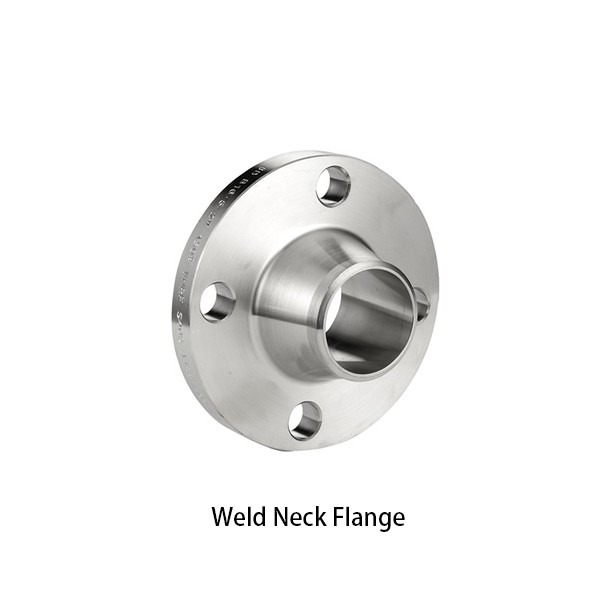
Description
| Size | 1/2″ (15 NB) to 48″ (1200NB) |
|---|---|
| Material | 304 / 304L / 316 / 316L |
| Standard | ANSI ASME BS DIN EN JIS |
| Class | 150#, 300#, 600#, 900#, 1500#, 2500#, PN6, PN10, PN16, PN25, PN40, PN64, etc. |
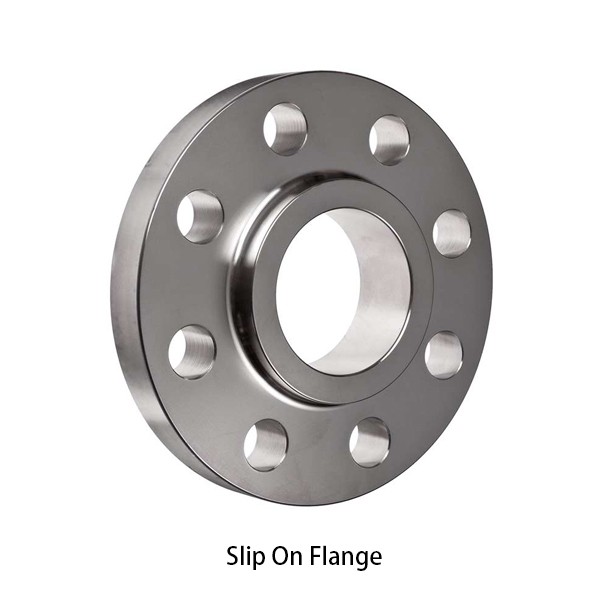
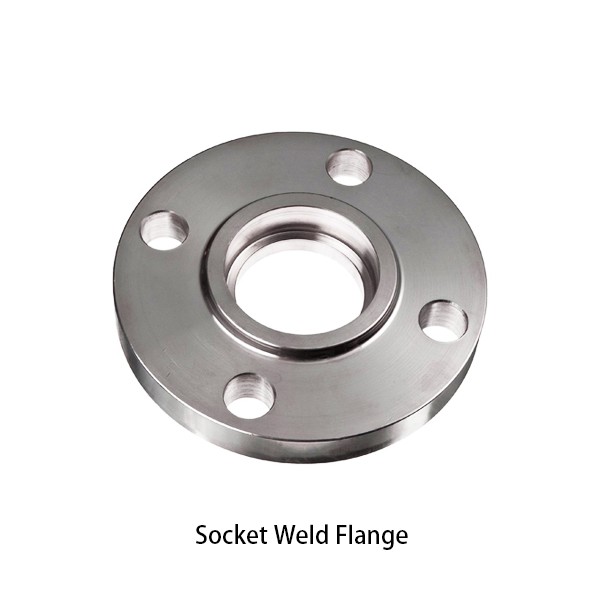
| Type | Threaded flange, weld neck flange, blind flange, slip on flange, lap joint flange, socket weld flange. |
| Origin | China |
| Trademark | SANVO |
| Package | Standard Seaworthy Packing |
| Application | Chemical industry, construction, water supply, drainage, petroleum, light and heavy industry, refrigeration, sanitation, plumbing, fire fighting, electric power, aerospace, shipbuilding, and so on. |
| Specifications | ASTM A182 / A240 and ASME SA182 / SA240 |
The flange is a part that connects the pipe and the pipe to each other and is connected to the pipe end. There are holes on the flanges, and bolts make the two flanges tightly connected. The flanges are sealed with gaskets. The flanges are divided into threaded flanges, blind flanges, slip on flanges, lap joint flanges, weld neck flanges, and socket weld flanges, etc.
Stainless Steel Pipe Flange Features:
1. Resistance to Corrosion
In every metal application, corrosion is an important consideration. In the U.S., around $9 billion goes to handling pipeline corrosion incidences. Metals are acted upon by rust, chemicals, as well as other environmental factors. Therefore, it would be best if you chose flanges that can withstand these factors. Stainless steel becomes a perfect choice since it has a high resistance to corrosion.
2. Durability
Stainless steel is durable and can withstand a lot of pressure. Although aluminum could be a cheaper option, it cannot withstand as much stress.
3. Withstanding High Temperatures
In industries, the temperatures could get a bit extreme. However, stainless steel flange fittings can withstand temperatures without deformation or warping. Therefore, at no point will your system be compromised.